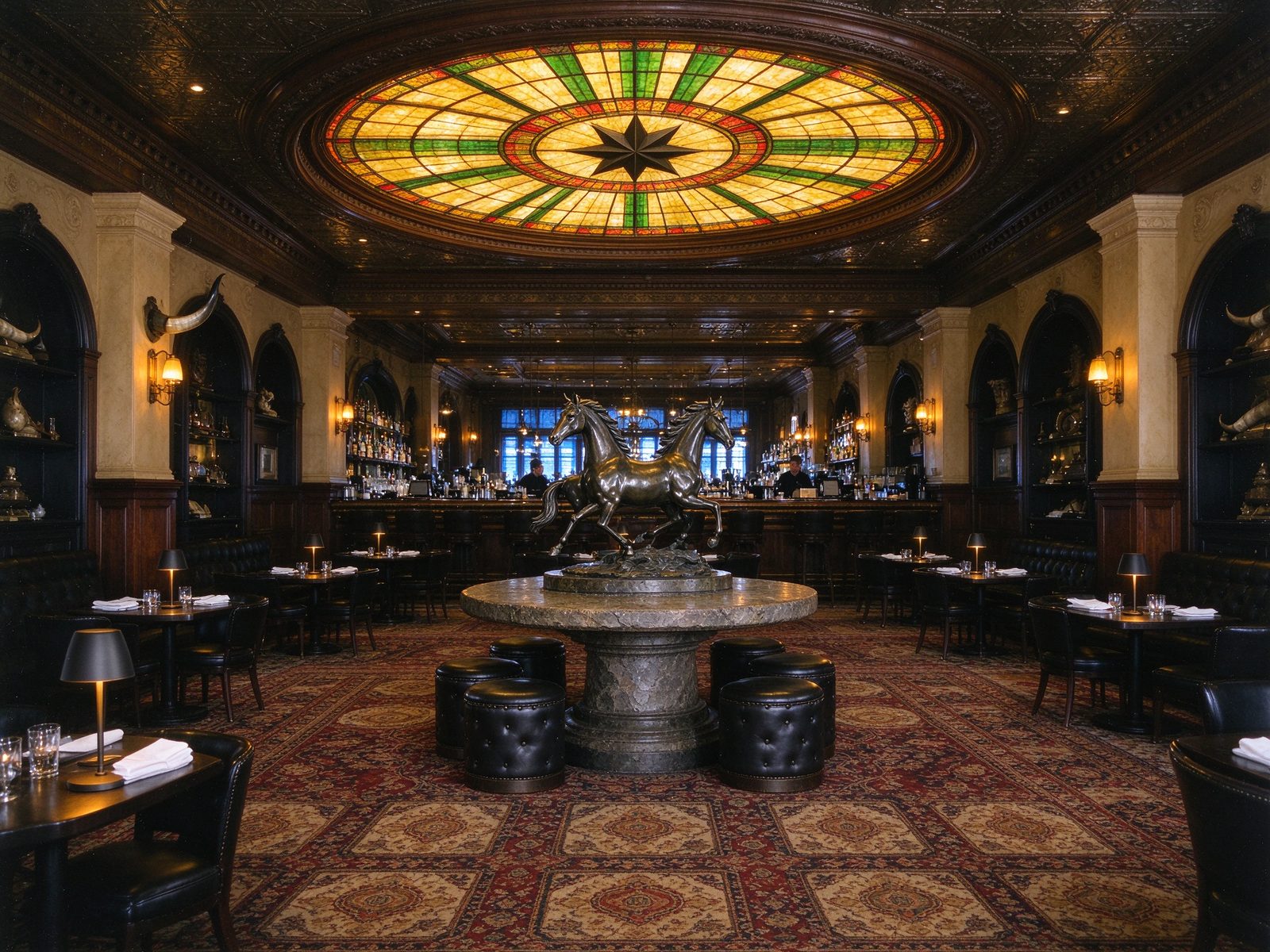
Fine dining table lighting is a procurement decision, not a decorating afterthought. The fixture that matters most never hangs from the ceiling; it sits on the table at eye level, where guests photograph their plates and read faces across the candle circle.
A compliant commercial spec looks like this: rechargeable cordless lamps running warm 2700K LEDs at 90+ CRI, 5000 mAh batteries good for 60 or more hours, matched finishes on every table, and a charging trolley that resets the fleet in one pass.
A 30-table fine dining room typically spends $1,700 to $3,200 on that complete system, against $4,500 to $10,500 just to wire floor outlets for plug-in lamps. This guide walks through the seven specs that protect that budget, the fleet-consistency routine most pitches skip, and exactly what belongs on the purchase order.
<!– wp:rank-math/toc-block /–>
What Does Fine Dining Table Lighting Actually Need to Do?
Fine dining table lighting has three jobs: flatter the food, flatter the guests, and hold the room’s intimacy without slowing service. Overhead architecture handles the room. The table lamp handles the last 30 inches, and it is the light guests actually remember when they describe the evening.
That is why the best lamp almost disappears. In a well-composed dining room the light is the focus and the fixture recedes into it: a compact silhouette, a warm downward halo, no glare at eye level. When a lamp shouts, the room loses its calm. When it glows quietly, the table becomes the stage. Specifying for that quietness is a technical exercise, and the seven specs below are how procurement teams pin it down.
Why Does Eye-Level Light Beat Overhead-Only Dining Rooms?
Overhead downlights cast shadows under brows, noses and chins, which is why guests lit only from above look tired in photographs. A lamp at eye level fills those shadows with warm light. Lighting designers have specified this layer for years. Cordless lamps finally made it affordable to retrofit, because no outlets are needed on the floor.
Cordless units add three procurement advantages that wired table lamps cannot match. Tables move for private dining without any cord management. Every table matches, because lamps ship from one calibrated production batch. And service keeps running through power flickers. Our cordless vs wired table lamps comparison prices the full infrastructure gap in US dollars.
Which Seven Specs Should a Procurement Director Verify?
Put these seven lines in the RFQ and most quoting noise disappears:
| # | Spec | What to require |
|---|---|---|
| 1 | Color temperature | 2700K warm LED, the candle-adjacent tone fine dining is built on; 3000K maximum |
| 2 | Color rendering | CRI 90 or higher, so menus, wine and faces read true under the lamp |
| 3 | Runtime | 5000 mAh batteries rated 60+ hours at dining brightness, covering several services per charge |
| 4 | Build material | Machined aluminum or brass, or natural marble; plastic reads cheap at a $150 cover |
| 5 | Ingress rating | IP65 for open terraces; IP44 minimum under covered patios |
| 6 | Certifications | UL, CE and FCC on the exact model, not a product family |
| 7 | Charging system | Contact bases plus a 24-36 lamp trolley that resets the fleet in minutes, not hours |
Two specs quietly separate commercial units from consumer ones. Runtime quoted at low setting collapses 40 to 60 percent at the brightness a fine dining room actually uses, so test at your level. Color rendering matters just as much: a lamp can score well overall and still render reds poorly, which is why the Color Rendering Index reference treats deep reds as a special case. Commercial-grade lithium packs also hold 500 or more charge cycles, and that is what turns a lamp into a three-year asset instead of a seasonal consumable.
How Much Should a Fine Dining Fleet Cost?
Price the system, not the lamp. A 30-table fine dining room typically needs 30 to 36 lamps, two or three contact charging bases, and one 36-lamp trolley. Commercial cordless units run roughly $45 to $85 each, which puts the complete fine dining table lighting fleet at $1,700 to $3,200 with charging hardware included.
Compare that with the wired alternative: $150 to $350 per floor outlet installed, $4,500 to $10,500 for the room, plus permits and the electrician’s calendar. The cordless route skips all of it. Operators who need stock quickly can draw from US inventory with delivery in about seven days, and minimum orders start at 36 units, so the pilot and the first real order are usually the same transaction. For volume pricing logic, our cordless table lamps wholesale procurement guide covers the numbers in depth.
How Do You Keep 60 Lamps Identical Night After Night?
Consistency is the fine dining table lighting failure mode nobody quotes. Different bulb ages drift one table to 2700K and its neighbor to 3200K, and a guest photographs the mismatch side by side. Cordless fleets solve it structurally: every lamp ships from one production batch with calibrated LEDs, so table three and table thirty glow identically.
The operating routine for fine dining table lighting is a charging trolley at close. Servers roll it through the room, lamps dock in place, and the fleet charges overnight in one pass. That is roughly five minutes of labor, an 80 percent cut to daily lamp handling. With 60-hour runtime, one overnight cycle covers several dinner services. Keep 10 to 15 percent of the fleet as charged spares for banquets that run long.
What Belongs in the Fine Dining Table Lighting Purchase Order?
Six lines protect the budget whether you buy from us or anyone else:
- Runtime at your brightness. Test at the light level your room uses; high output cuts quoted runtime 40 to 60 percent.
- Ingress rating. IP65 for open terraces, IP44 minimum under cover.
- Certifications. UL, CE and FCC marks for the exact SKU, with documents supplied before shipment.
- Charge cycle life. 500 cycles minimum, with replacement batteries available.
- Charging system design. Bases plus trolley, minutes per full cycle, and where it parks in your floor plan.
- Warranty and spares. Twelve months on lamp and battery, with spare parts stocked domestically.
One more clause fine dining buyers forget: finish aging. Antique copper and bronze finishes are designed to develop patina, so agree in writing whether that aging is a feature or a defect claim. For the outdoor versions of these checks, our restaurant patio lighting guide covers weather ratings and coastal corrosion in detail.
Our Verdict for Fine Dining Procurement Teams
Run honestly, fine dining table lighting comes down to one exchange: give up ceiling-only drama and put warm, calibrated light at eye level on every table. For tasting rooms and Michelin-level service, a natural marble base earns its place on the table. For banquettes and terraces, machined metal in a single finish keeps the fleet visually quiet, and our luxury cordless table lamps guide shows the premium end in full.
Start with a 36-unit fine dining table lighting pilot on the highest-visibility section of the room. Run two weeks of real service, then measure reset time and guest photographs before expanding. The pilot is deliberately sized to the minimum order, so the decision costs two weeks rather than a quarter.
Frequently Asked Questions
Are cordless table lamps bright enough for fine dining?
Yes, when specified for ambiance rather than room lighting. Commercial cordless lamps deliver 2700K to 3000K warm light designed as a table-level layer over dimmed ambient light. Test lumen output at your intended brightness, because quoted runtime figures assume medium settings.
What color temperature is best for fine dining table lighting?
2700K is the industry anchor because it sits closest to candlelight, the tone fine dining was built on. Anything above 3000K starts reading institutional. One calibrated batch across all tables matters more than the exact number, because mismatches photograph badly.
How long do rechargeable lamps run per charge?
Hospitality-grade 5000 mAh units run 60 or more hours at typical dining brightness, so one overnight charge covers several dinner services. Consumer lamps rated 6 to 12 hours need nightly charging, which is why the charging system belongs in the spec.
How many lamps should a fine dining room order?
Plan one lamp per cover table, plus 10 to 15 percent charged spares for long banquets and rotation. A 30-table room typically lands at 33 to 36 units, which matches most commercial minimum orders and fits a single trolley charging cycle.